Not all polos are created equal.

27 March 2025

Summer Has Arrived

After long months of chill, the sun has finally reclaimed its place. Short sleeves return from the back of the closet—and with them, the essential piece for relaxed summer moments: the polo shirt.

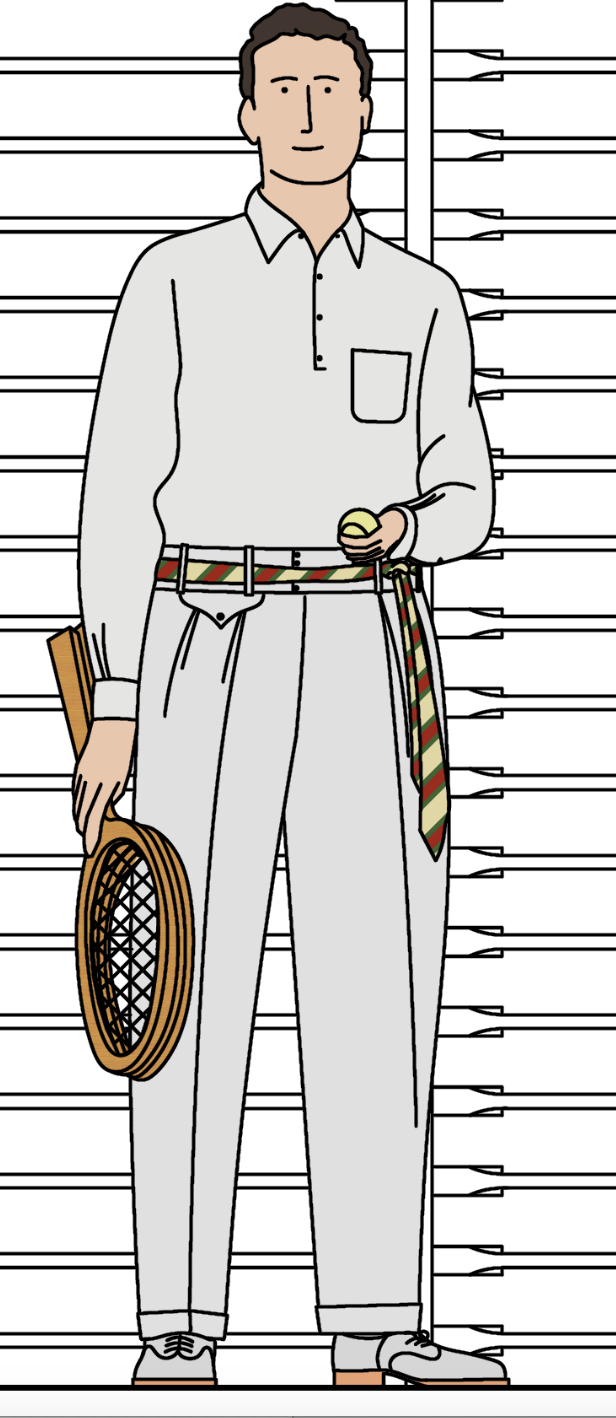
Originally designed for tennis and traditionally made in cotton piqué, this humble garment has become an icon of the modern man’s wardrobe. More than that, it has taken on the role of a social marker, with the logos on its chest playing a curious part—small in size, yet instantly recognizable.

But not all polos are created equal. There are two distinct ways of making them:

Cut-and-sewn, the most common method

Fully knitted, rarer—and decidedly more refined
Cut-and-Sewn

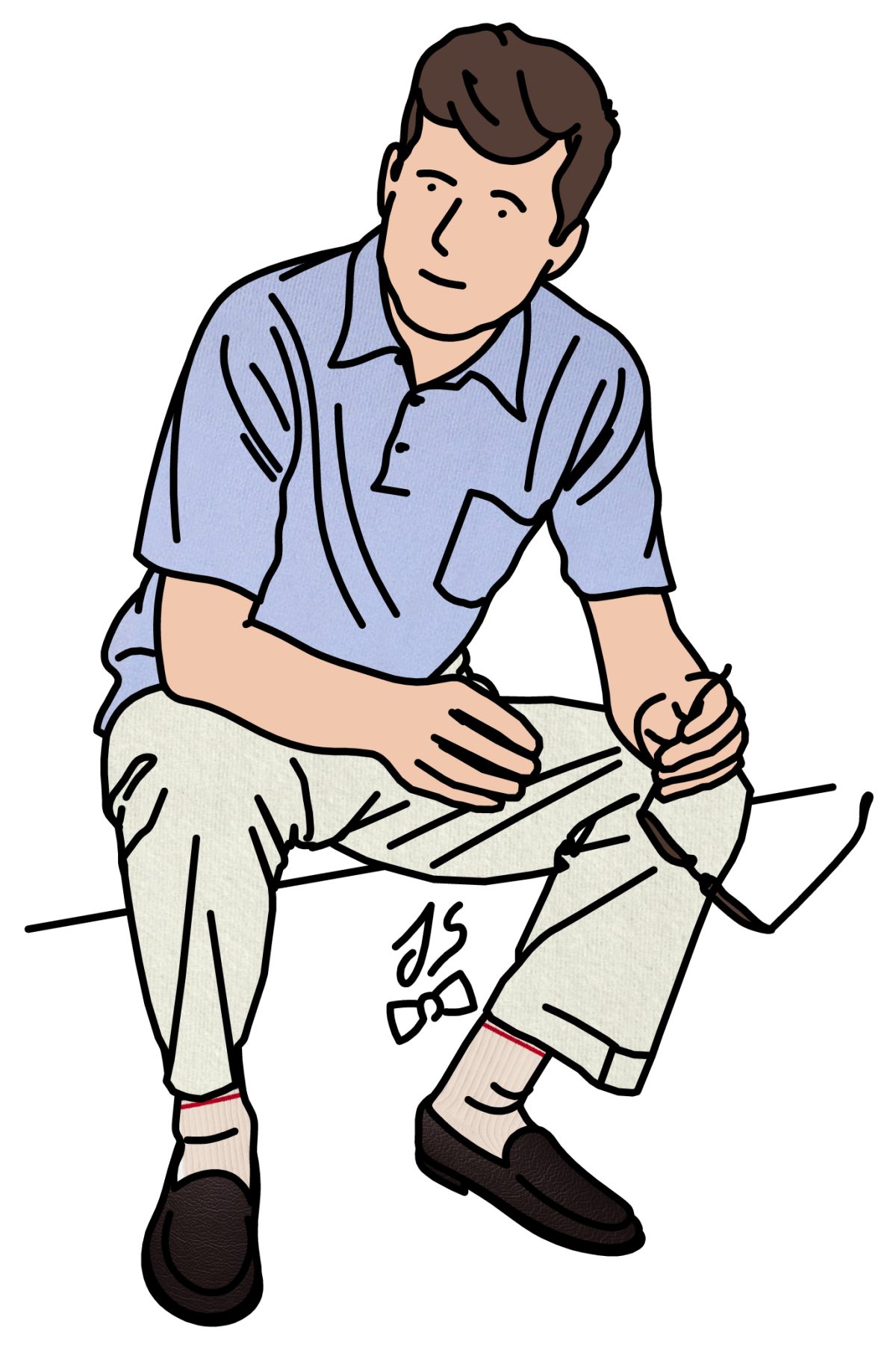
Most of us have at least one polo like this in our wardrobe. It’s by far the most common method of construction. The process is simple: fabric—typically a light piqué jersey—is bought by the roll, then cut flat and assembled using sewing machines. Much like how a shirt is made, it consists of:

• a body with its button placket,

• two sleeves,

• and a small ribbed collar, usually knitted separately in the same yarn as the main fabric.

This fast and economical method is what popularized the polo shirt. Sturdy and dependable, it holds up well to sport, frequent washing, and the passage of time, fading slightly with wear in a way that adds to its charm.


Knitted Polo

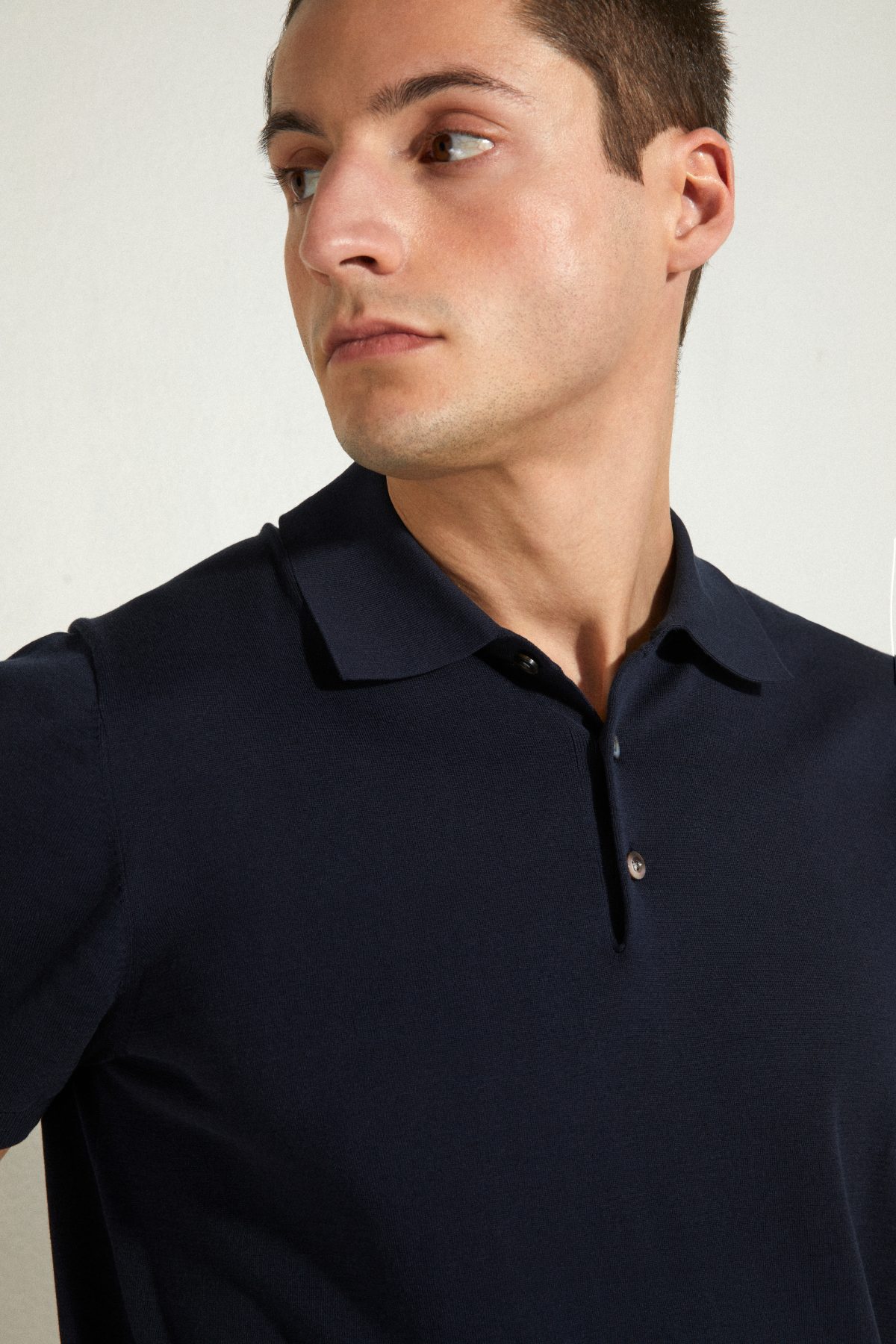
Less common, the knitted polo is made using a very different technique. There are no fabric rolls here—only spools of yarn, worked directly on knitting machines. The garment is shaped three-dimensionally, with no unnecessary cuts, much like a grandmother knitting a sweater by hand.

This is what’s known as fully-fashioned knitwear. It allows the polo to be created in volume, resulting in a more fluid, natural drape.

Its more intricate construction makes it rarer and more costly, but also gives it a level of softness and refinement that’s hard to match.

Two Philosophies, Two Styles

The cut-and-sewn polo belongs to the world of shirting. It’s quicker and cheaper to produce, which explains its popularity. It leans sporty and casual by nature.

The knitted polo, on the other hand, belongs to the world of knitwear. More sophisticated, it requires advanced machinery and skilled craftsmanship. It is therefore rarer, more luxurious, and pairs beautifully with a tailored jacket. Unlike its cousin, it often bears no logo—its understated elegance speaks for itself.

That’s why, for Scavini prêt-à-porter, I’ve chosen to offer this season two fully knitted polos, in white and navy blue.

This polo embodies understated elegance and the expertise of fine-gauge knitting. Crafted in ultra-fine 18-gauge and fully linked, it has a smooth texture and impeccable drape, combining lightness with refinement.

Its seamless, fully knitted construction ensures exceptional comfort and a flawless silhouette. For these polos, I’ve selected genuine mother-of-pearl buttons to highlight the attention to detail. As for the colors, I went straight to the essentials: white and navy—two timeless staples of the men’s wardrobe, designed for those who appreciate style and precision in every detail.

Check out our knitted polo shirts

T-Shirt

Thin knit

White

140,00 85,00 

Summer Has Arrived

After long months of chill, the sun has finally reclaimed its place. Short sleeves return from the back of the closet—and with them, the essential piece for relaxed summer moments: the polo shirt.

Originally designed for tennis and traditionally made in cotton piqué, this humble garment has become an icon of the modern man’s wardrobe. More than that, it has taken on the role of a social marker, with the logos on its chest playing a curious part—small in size, yet instantly recognizable.

But not all polos are created equal. There are two distinct ways of making them:

Cut-and-sewn, the most common method

Fully knitted, rarer—and decidedly more refined
Panier

Main menu