Tuxedos & Morning Coats

Making a Tuxedo or Morning Coat

In an increasingly casual world, there are still special moments where elegance must make the difference.

The tuxedo and the morning coat are rare garments for privileged occasions — beautiful pieces that are always more distinguished to own than to rent.

The Tuxedo

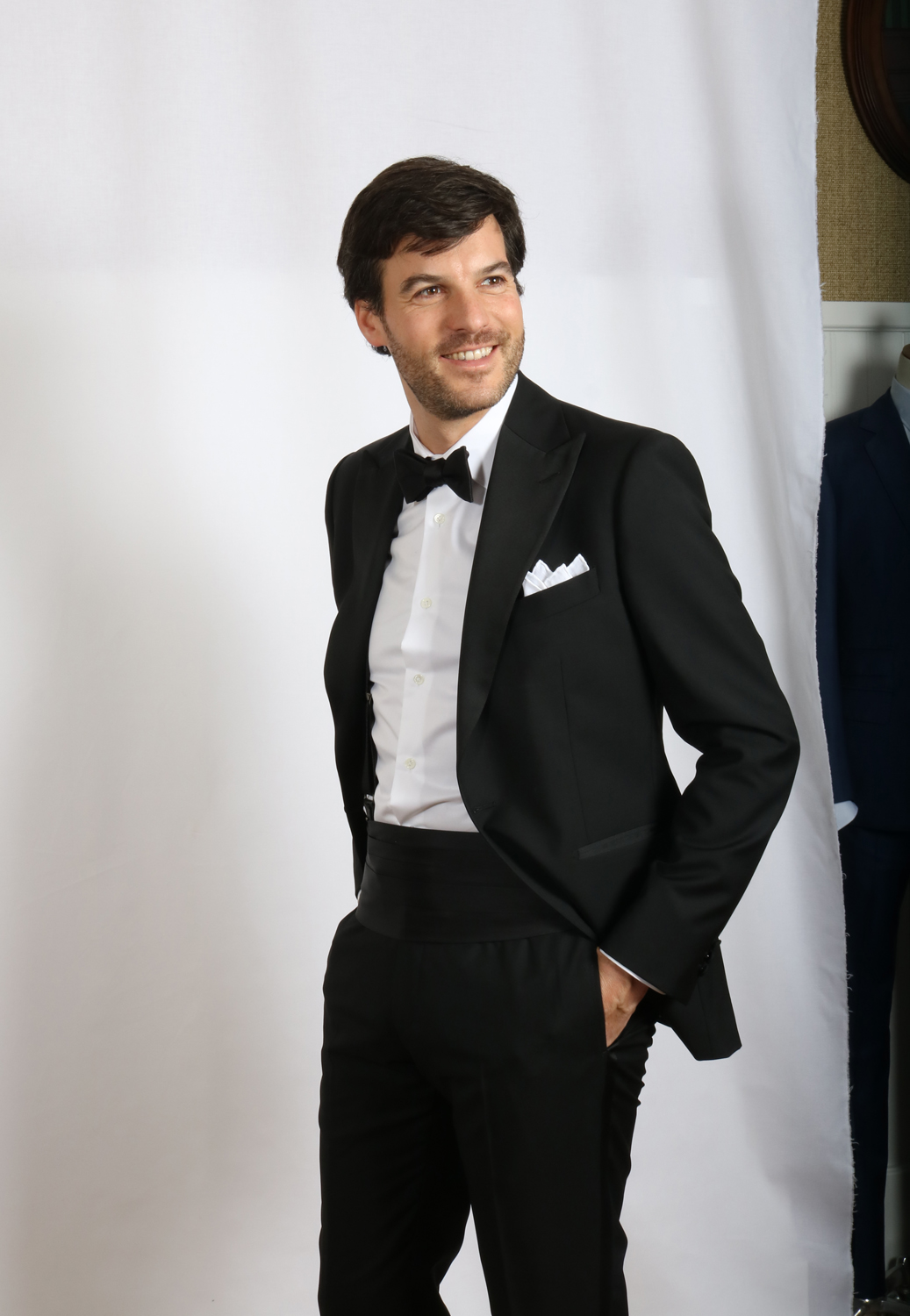
In 1865, the future King Edward VII asked his tailor for a more practical evening garment than the tailcoat. Thus was born the dinner jacket — known in France as the smoking — later introduced to the United States, where it took the name tuxedo, after the town of Tuxedo Park.

This garment follows the codes of evening dress, with a black bow tie. In the 1940s, the waistcoat gave way to the pleated cummerbund. On invitations, the indication ‘black tie’ refers to the tuxedo, while ‘white tie’ refers to the tailcoat.

The preferred fabric remains barathea, a wool and mohair blend with a refined texture.
Learn more on Stiff Collar

Tuxedo Styles

Because there is not just one tuxedo — quite the opposite. Its appeal lies in the diversity within similarity.

The Tuxedo

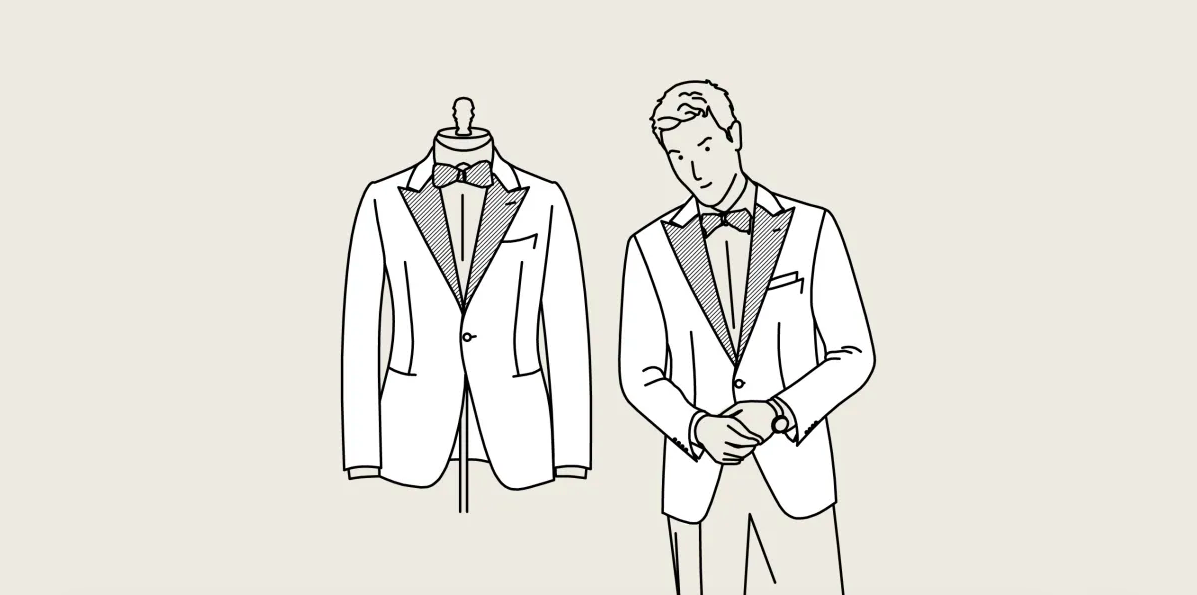
Peak Lapel

The historical and archetypal tuxedo style. James Bond’s choice.
The Tuxedo

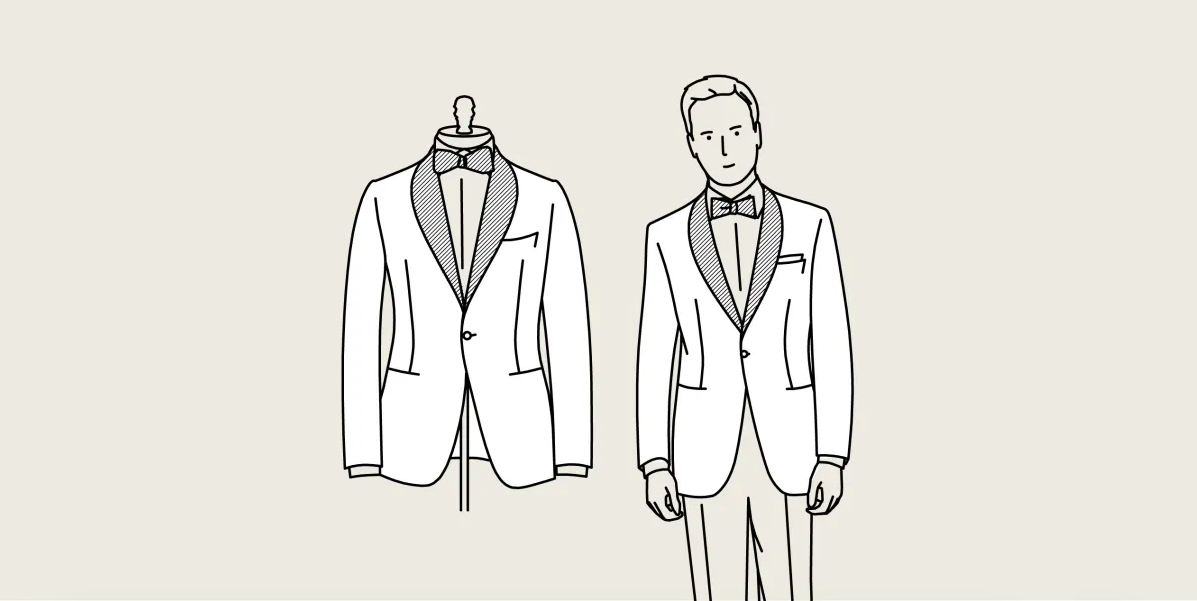
Shawl Lapel

A style appreciated since the 1950s, especially in France and the United States.
The Tuxedo

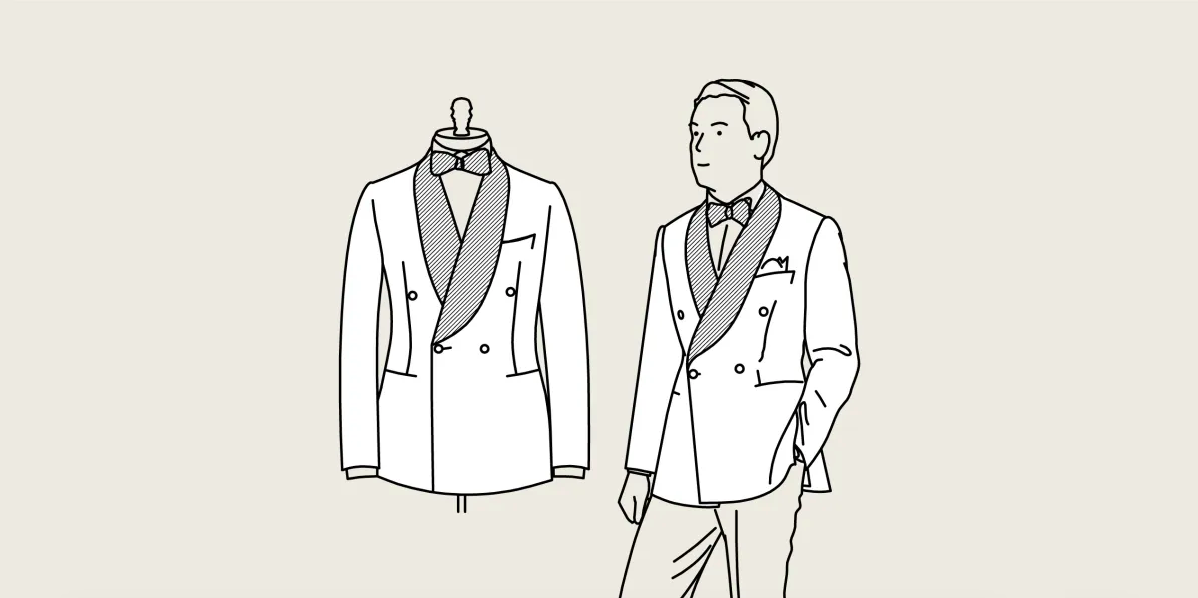
Double-Breasted with Shawl Lapel

Make no mistake — serious style here. The ultimate choice for the seasoned dandy.
The Tuxedo

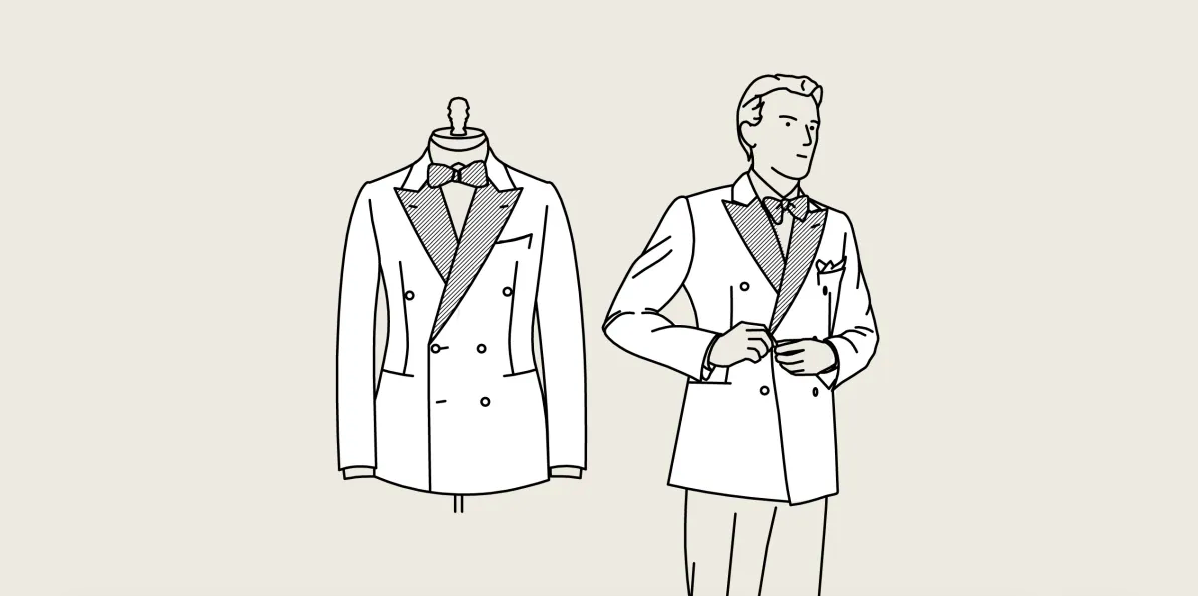
Double-Breasted

The style recommended by the Foreign Office. What more is there to say?

The Cocktail Jacket

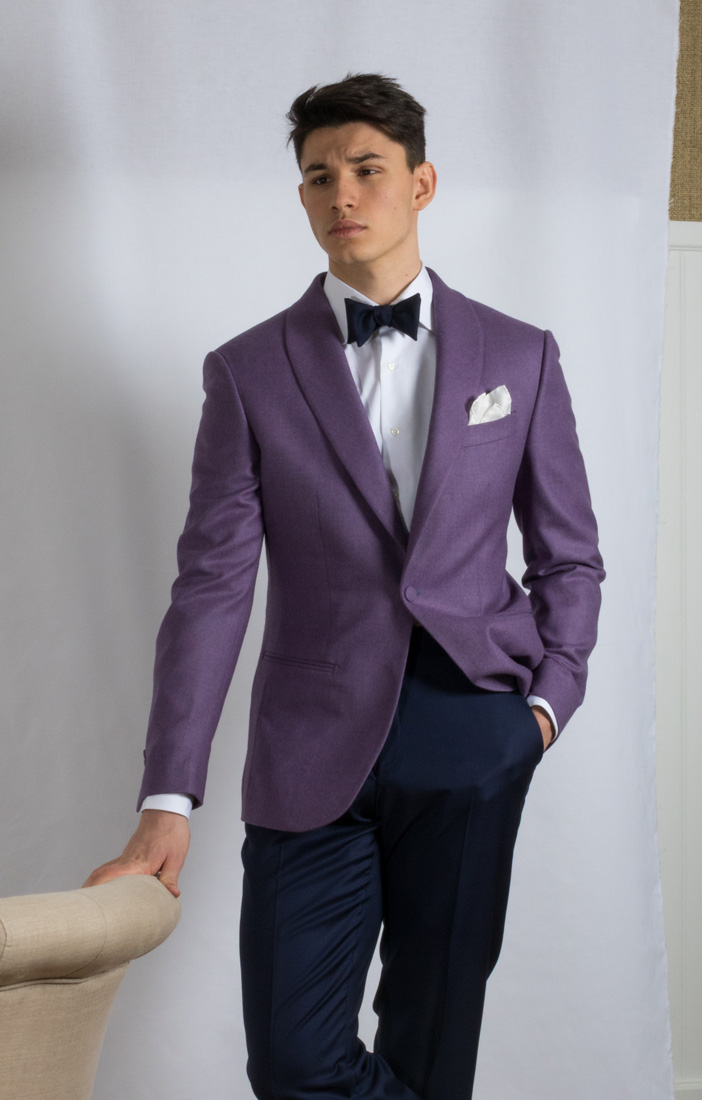
In the 1950s, a more relaxed alternative to the evening tuxedo appeared: the cocktail jacket, popularized by café society.

Worn with tuxedo trousers and shirt, it is distinguished by its shawl collar — either single- or double-breasted — and by fabrics that are more colorful or original. In the 1960s, shantung, a type of raw silk, was particularly in vogue.

Today, it is often crafted in smooth velvet (palatine), jacquard, or flannel, offering a refined yet festive elegance.

The Morning Coat

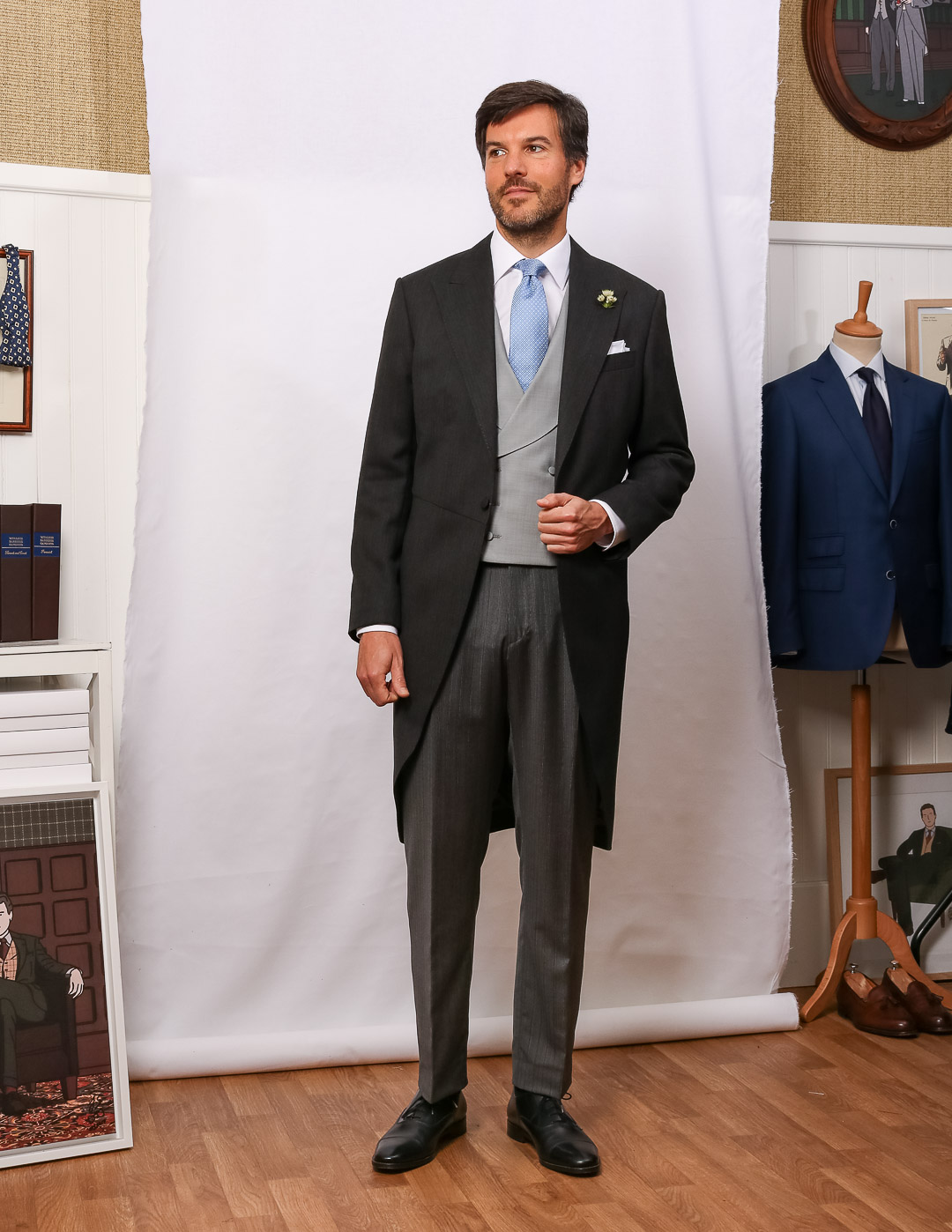
In the 19th century, three long coats dominated men’s dress: the tailcoat, the frock coat, and the morning coat, which gradually became the garment for daytime wear. In the English-speaking world, it is known simply as the morning coat.

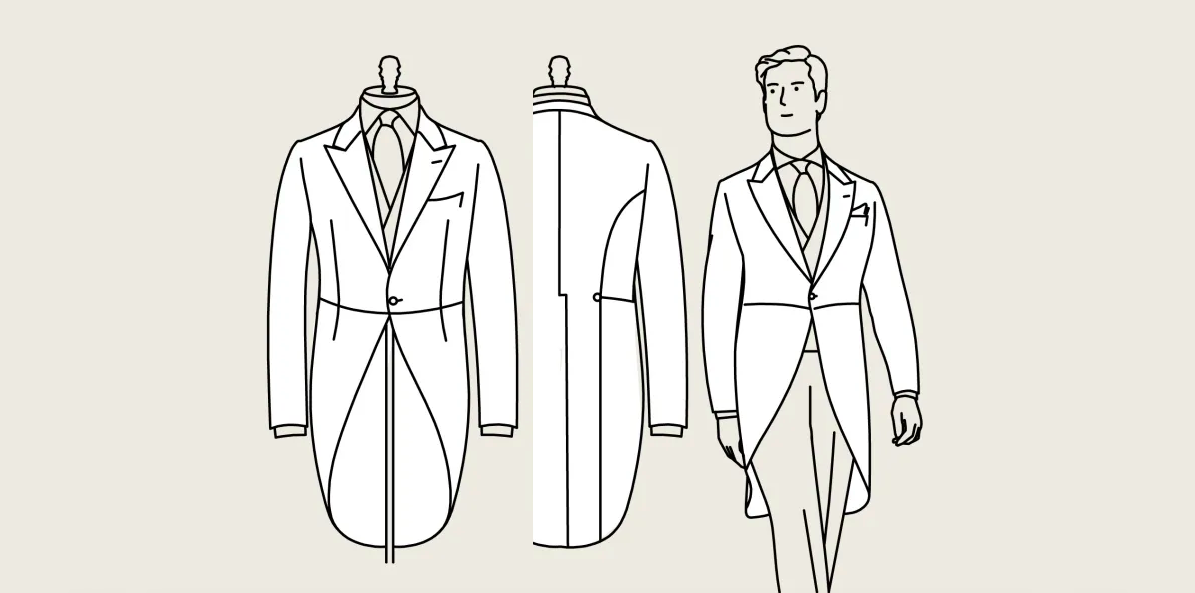
Still worn today for weddings or state funerals, the morning coat is defined by its long cut, rounded front, single-button closure, and peak lapels. Traditionally black for city ceremonies, grey for country weddings or race meetings such as Ascot, it is now sometimes made in blue for a more contemporary touch.

The trousers, in grey-and-black striped cloth, are paired with a single- or double-breasted waistcoat, grey or in a more colorful fabric depending on the occasion.

The Morning Coat Style

There is only one cut, with no variations. It is a garment that time has, in a way, frozen.

The Morning Coat

The cut is rooted in tradition, featuring a waisted seam, a bayonet-style back vent, and elegant princess seams extending toward the sleeve.

Special Conditions

The Tuxedo

Due to its specific features, the tuxedo is priced €100 higher than a two-piece suit.

The Morning Coat

Due to its specific features, the morning coat is priced €150 higher than a standard jacket. As the trousers and waistcoat differ from the jacket, they are charged separately.

Panier

Main menu