
Some fabrics instantly evoke a particular season. Linen calls to mind the warmer days, while tweed transports us to the English countryside, among heather-covered moors and rain-soaked paths. Flannel, meanwhile, almost single-handedly heralds the return of autumn.
Flannel possesses a rather rare quality: it manages to look elegant without appearing overly formal. A pair of grey flannel trousers worn with a navy jacket is undoubtedly one of the simplest and most successful combinations in the menswear wardrobe. Nothing more is needed.
But it must be a fine flannel, for not all flannels are created equal—far from it.
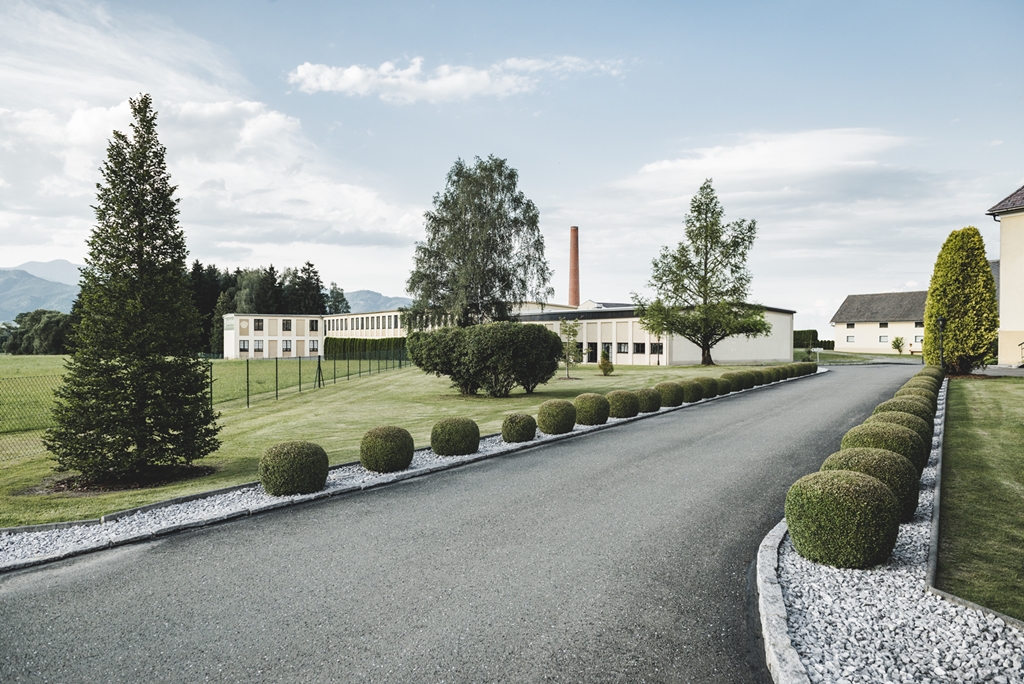
An Austrian Story Beginning in 1884
For the past three seasons, we have chosen to work with the Austrian mill Leichtfried Loden for our ready-to-wear collection.
The company was founded in 1884. Five generations have since followed one another, preserving textile expertise deeply rooted in Austrian tradition.
It is worth remembering that Austria has a remarkable woollen heritage. In the Alpine regions, clothing had first and foremost to offer protection from the cold, wind and damp. This was where the famous Loden was made: a dense woollen cloth treated to provide excellent protection from the elements.
For many years, Loden remained associated with hunting attire, traditional coats and a certain kind of Alpine elegance. It readily brings to mind the sweeping capes and green coats once worn by hunters and inhabitants of the Alpine regions.
But Leichtfried Loden did not confine itself to these traditional fabrics. Over the decades, the mill developed finer, softer cloths designed for contemporary garments.
This is precisely what makes its work so compelling: the ability to preserve centuries-old expertise while creating fabrics perfectly suited to the way we dress today.
What Makes a Fine Flannel?
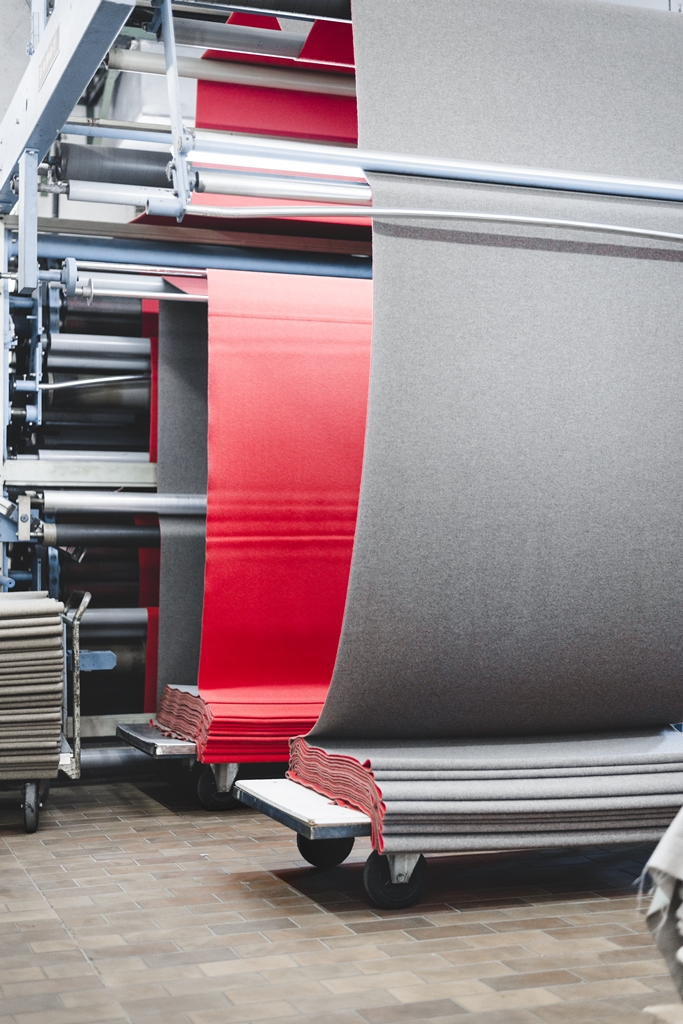
Flannel is a rather distinctive cloth. Unlike worsted wool, which generally has a clean, smooth surface, it has a slightly fuzzy appearance. This comes from the finishing process, which raises fine fibres to the surface of the fabric.
This process gives flannel its characteristic, almost plush feel. It also lends greater depth to its colours. A grey flannel never looks quite the same as a grey worsted wool. Light plays across it differently, and the shades appear softer and less sharply defined.
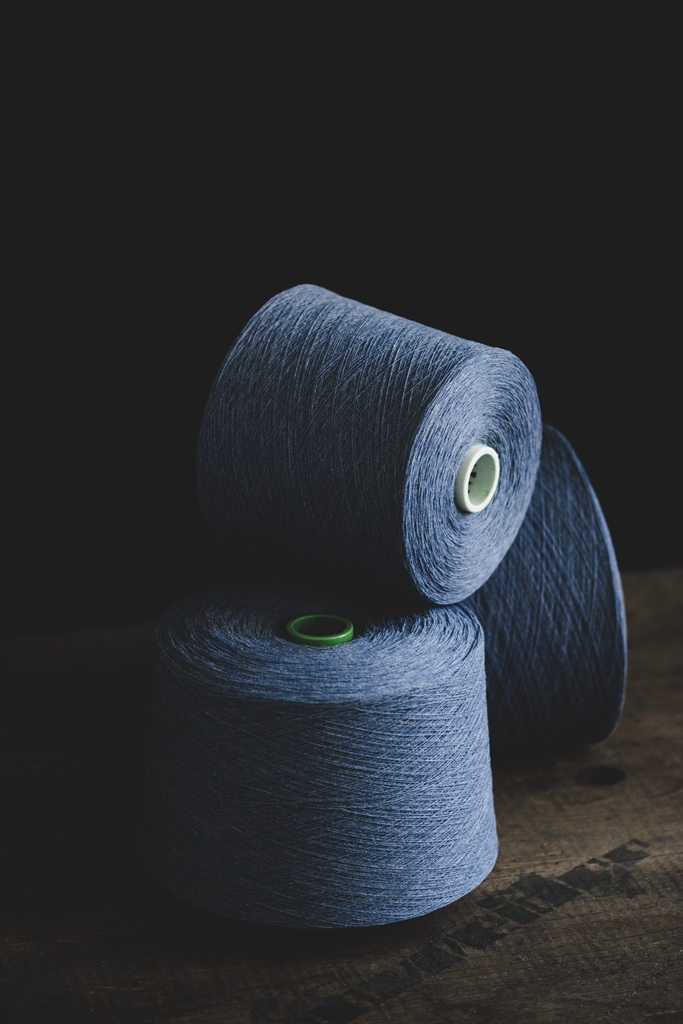
The quality of the raw material naturally plays an essential role. At Leichtfried Loden, particular care is taken in selecting the wool—especially merino wool—and throughout the various stages of spinning, weaving and finishing.
Yet the weight of the fabric is equally important. A flannel that is too light may lack body, particularly when used for trousers. Conversely, an excessively heavy cloth can feel cumbersome, especially in our heated interiors.
It is all a question of balance.
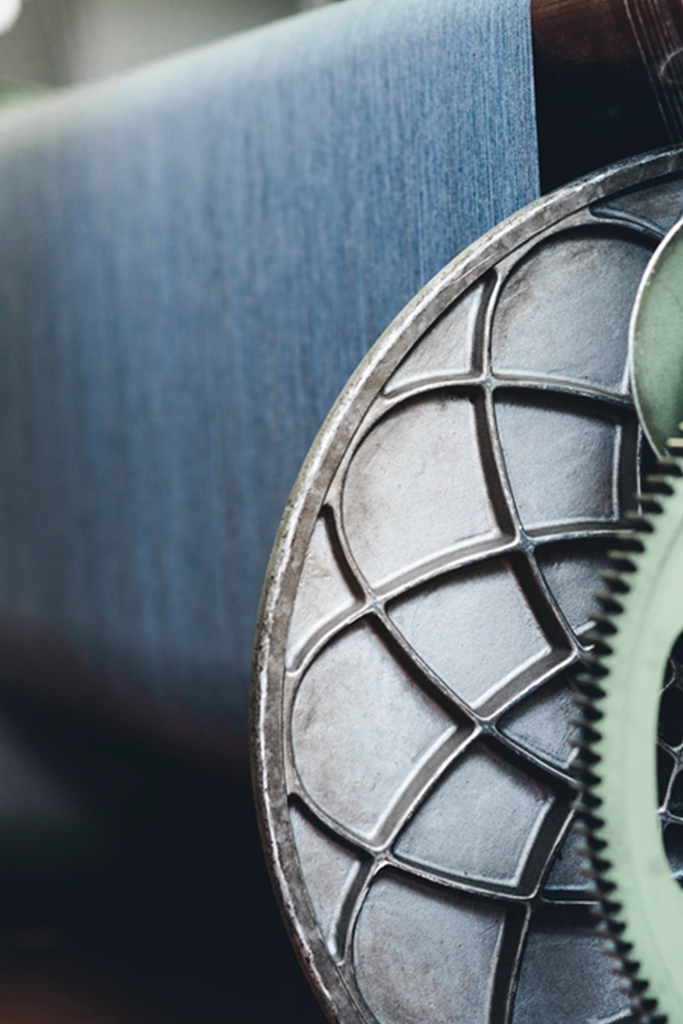
Why Did We Choose a 360 g/m² Flannel?
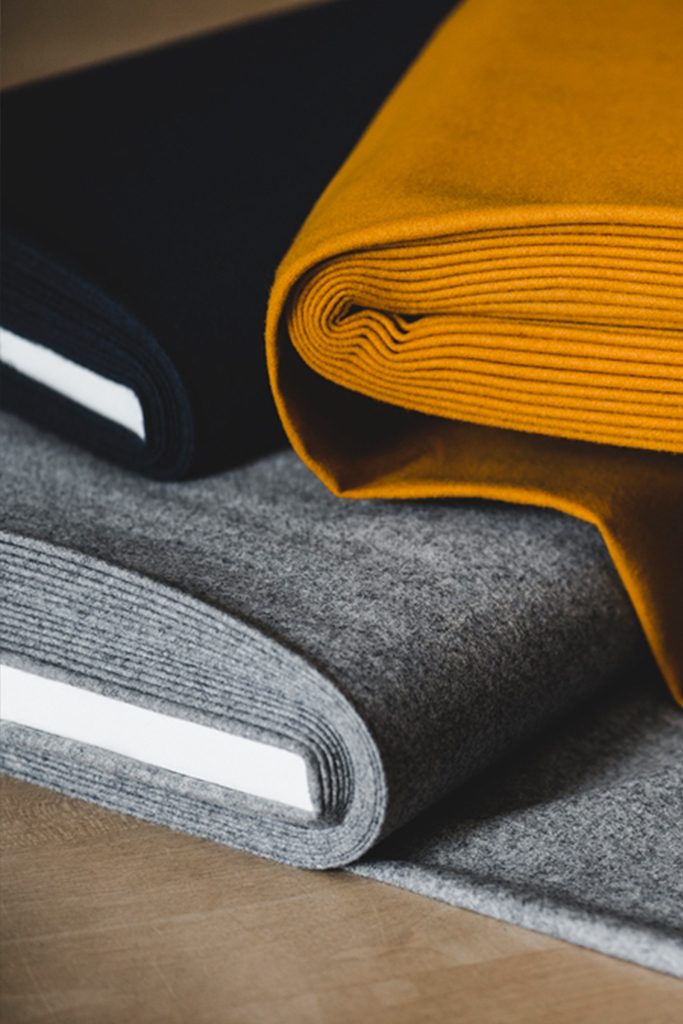
For the past three seasons, we have chosen a 360 g/m² wool flannel for our trousers.
This choice was by no means arbitrary.
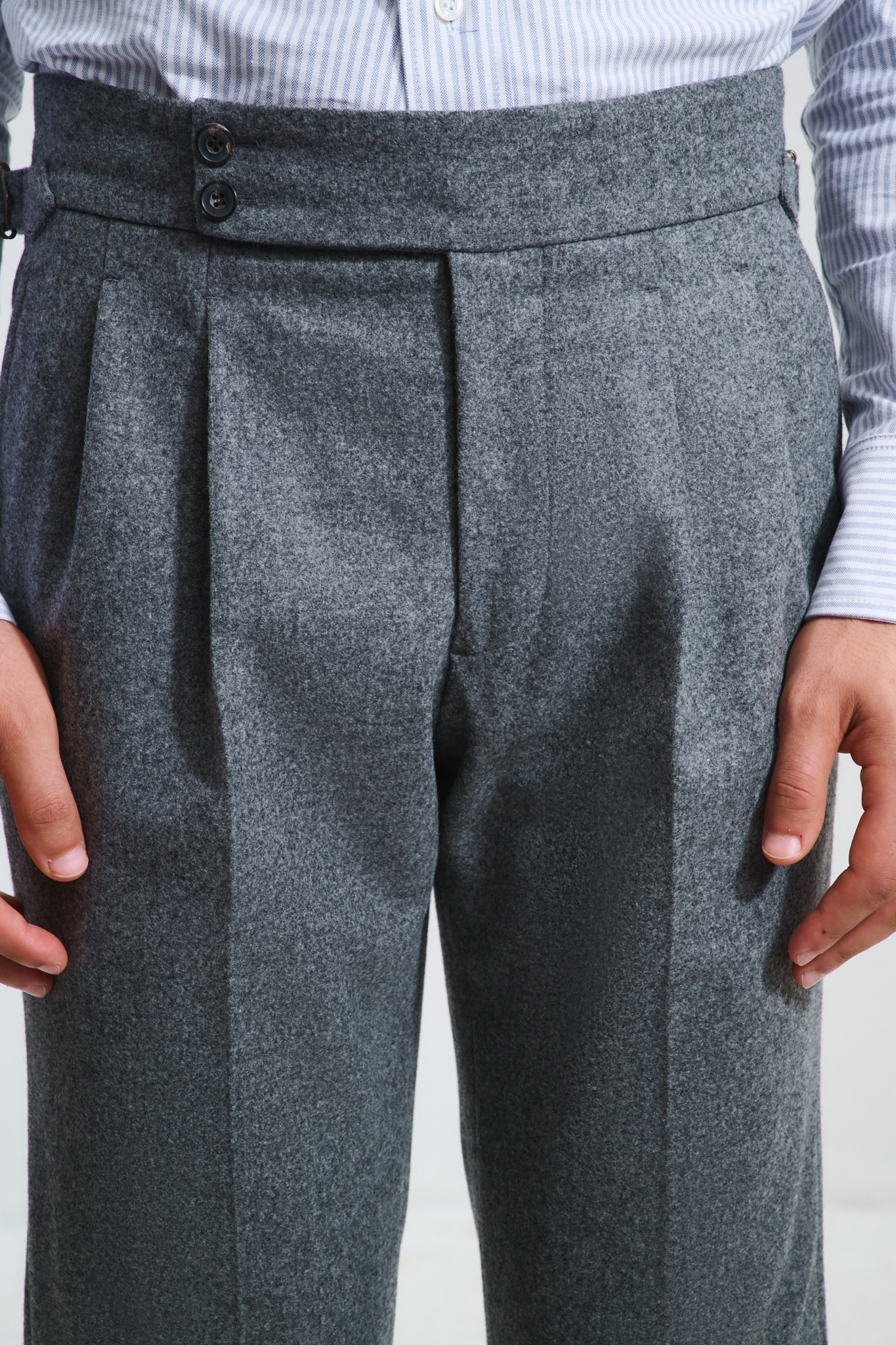
At this weight, the fabric has enough body to drape properly. This is particularly important for pleated trousers, as the pleats need to open naturally. A cloth that is too light can sometimes lack this presence.
We now use it across all our cuts. Each has its own silhouette, yet all benefit from the same elegant drape and distinctive texture.
As for the colours, we have remained faithful to the great classics: mid-grey, charcoal, navy and brown. It is difficult to go wrong with these four shades.
Mid-grey is probably the most versatile. It complements almost any jacket. Charcoal lends a more serious, sometimes more urban feel. Navy offers an interesting alternative to grey trousers, while brown—a colour I am particularly fond of in winter—pairs beautifully with tweeds, beiges and greens.
Overshirts to Match Our Trousers
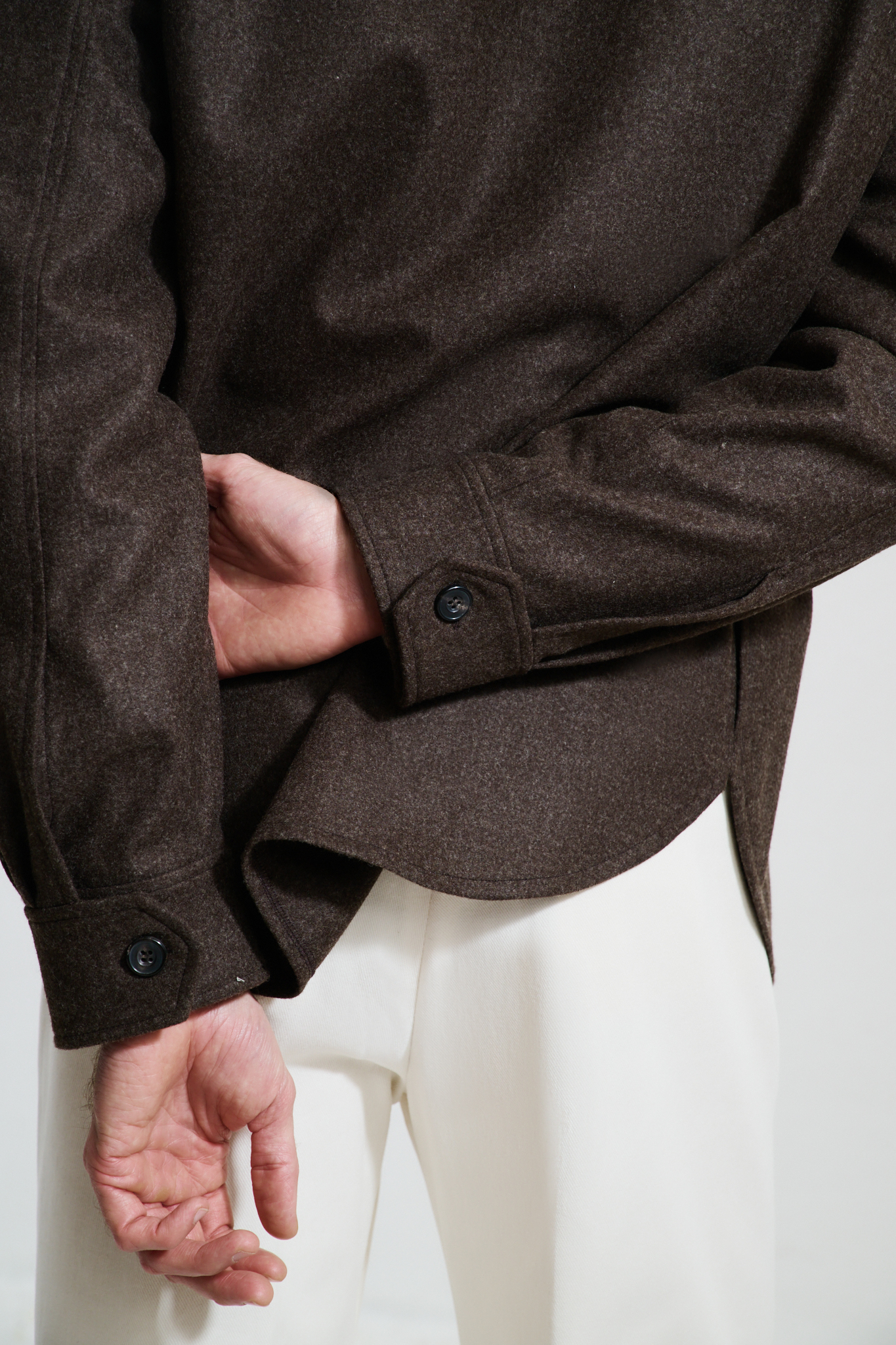
This year, we wanted to use these same flannels to create overshirts matching our trousers.
The idea was to offer a coordinated ensemble without necessarily making it a suit. After all, there is no denying that the way we dress has changed considerably.
The overshirt offers an interesting solution. Worn with trousers made from the same cloth, it creates a harmonious ensemble—almost an urban uniform. The appearance remains refined and the colours are perfectly coordinated, yet the result feels less formal than a suit jacket.
It is a way of dressing that I find particularly appealing. And, of course, there is no need to wear the two pieces together.
A brown overshirt works very well with ecru denim trousers. A navy overshirt looks particularly elegant with beige cotton trousers or raw denim jeans. Conversely, the flannel trousers can be paired with a tweed jacket, a cardigan or a simple wool jumper.
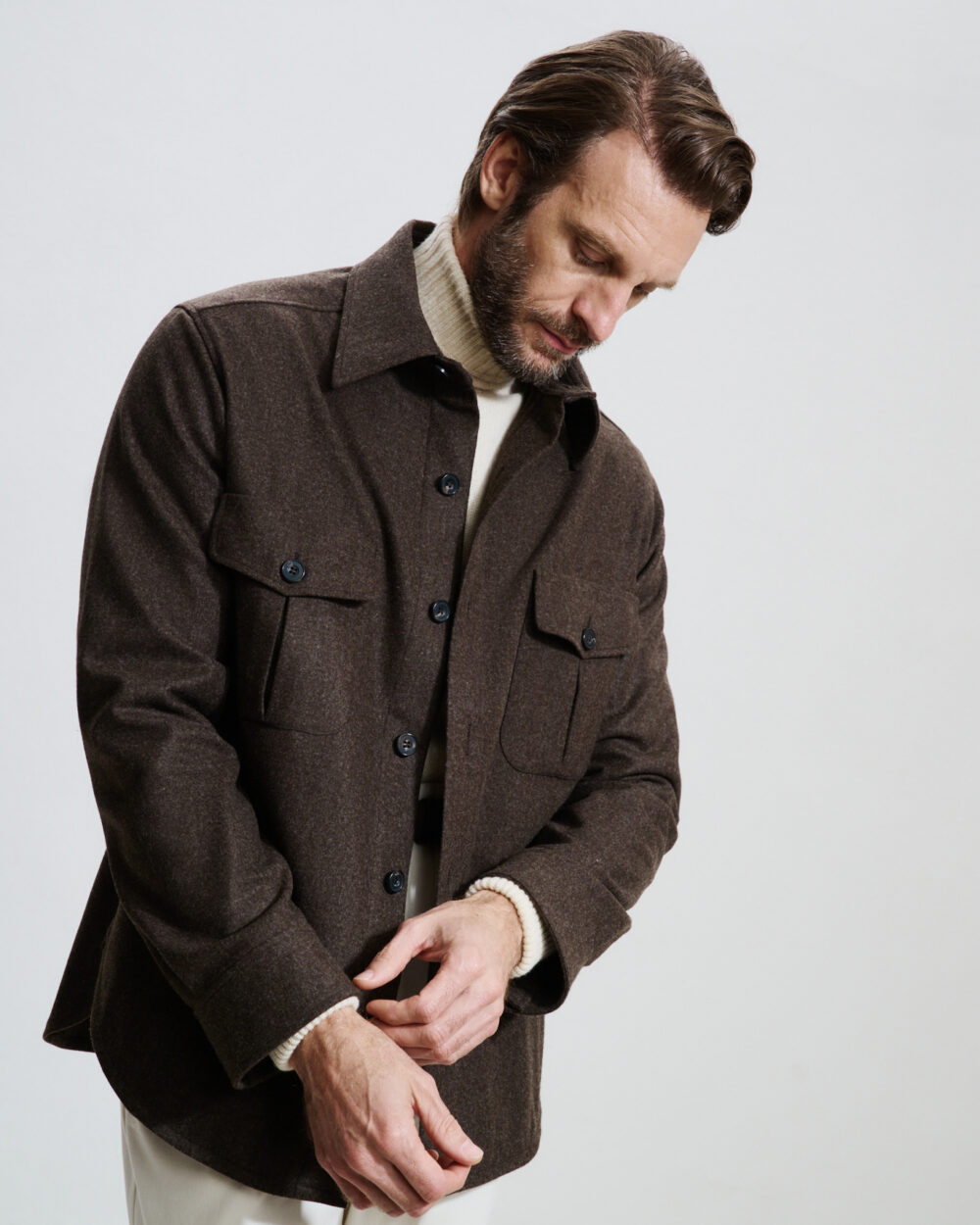 Overshirt / Flannel390,00 €
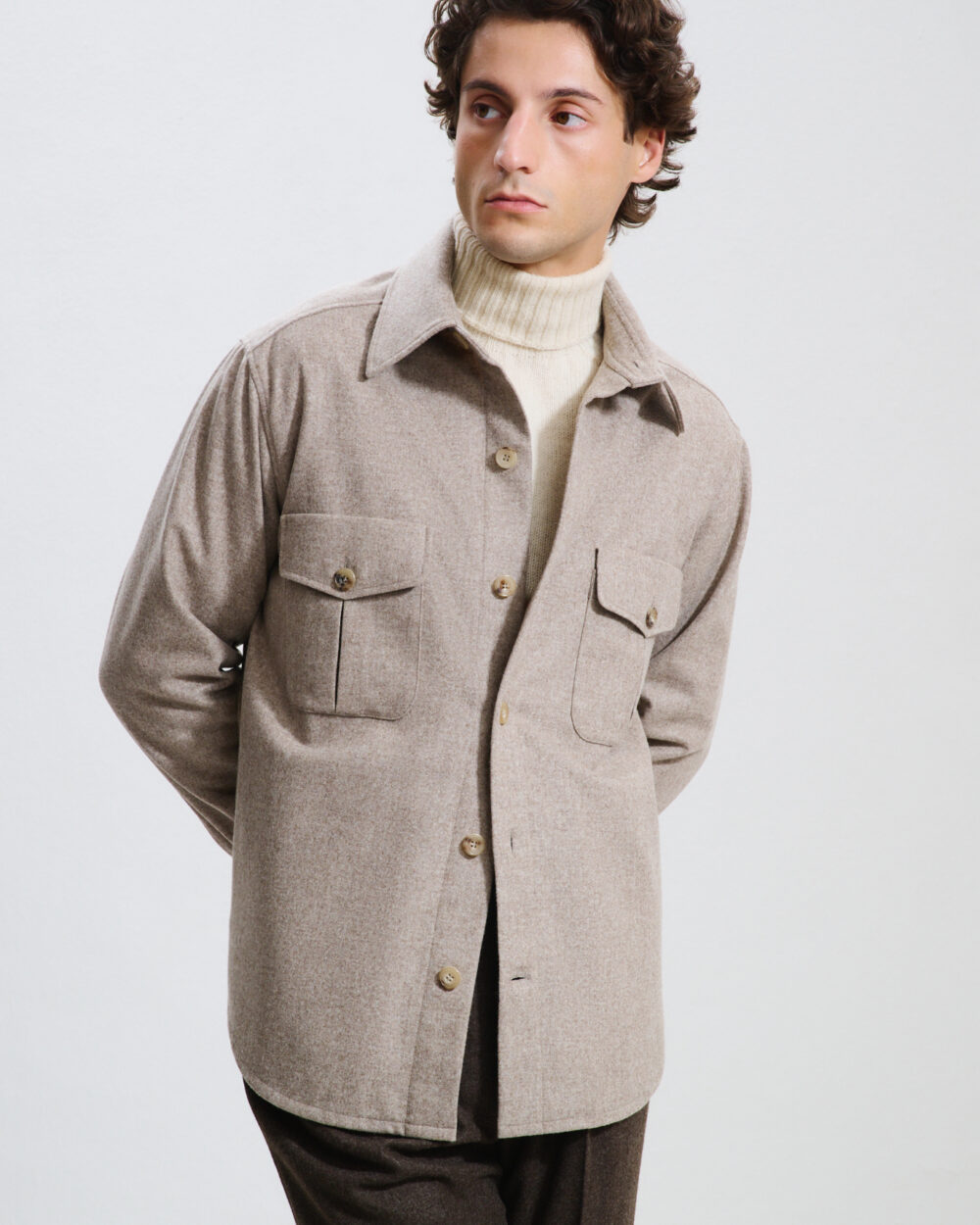 Overshirt / Flannel390,00 €
The Maubourg Jacket Returns to Flannel
We have also chosen these Austrian cloths for our Maubourg jacket. This style holds a special place in our collection. Its construction, proportions and attention to detail are borrowed from traditional tailoring, while its overall appearance remains more relaxed.
Flannel suits it admirably. It lends softness to the silhouette and creates a comfortable, warm jacket that can be worn with tailored trousers just as easily as with jeans.
This season, we have selected a grey flannel with a black herringbone pattern, which adds texture and depth to the cloth, as well as a beige version.
Herringbone itself deserves a closer look. It is an age-old pattern, discreet when viewed from a distance, yet revealing its full richness on closer inspection. It gives the fabric greater depth without the visual busyness that more pronounced checks can sometimes create.
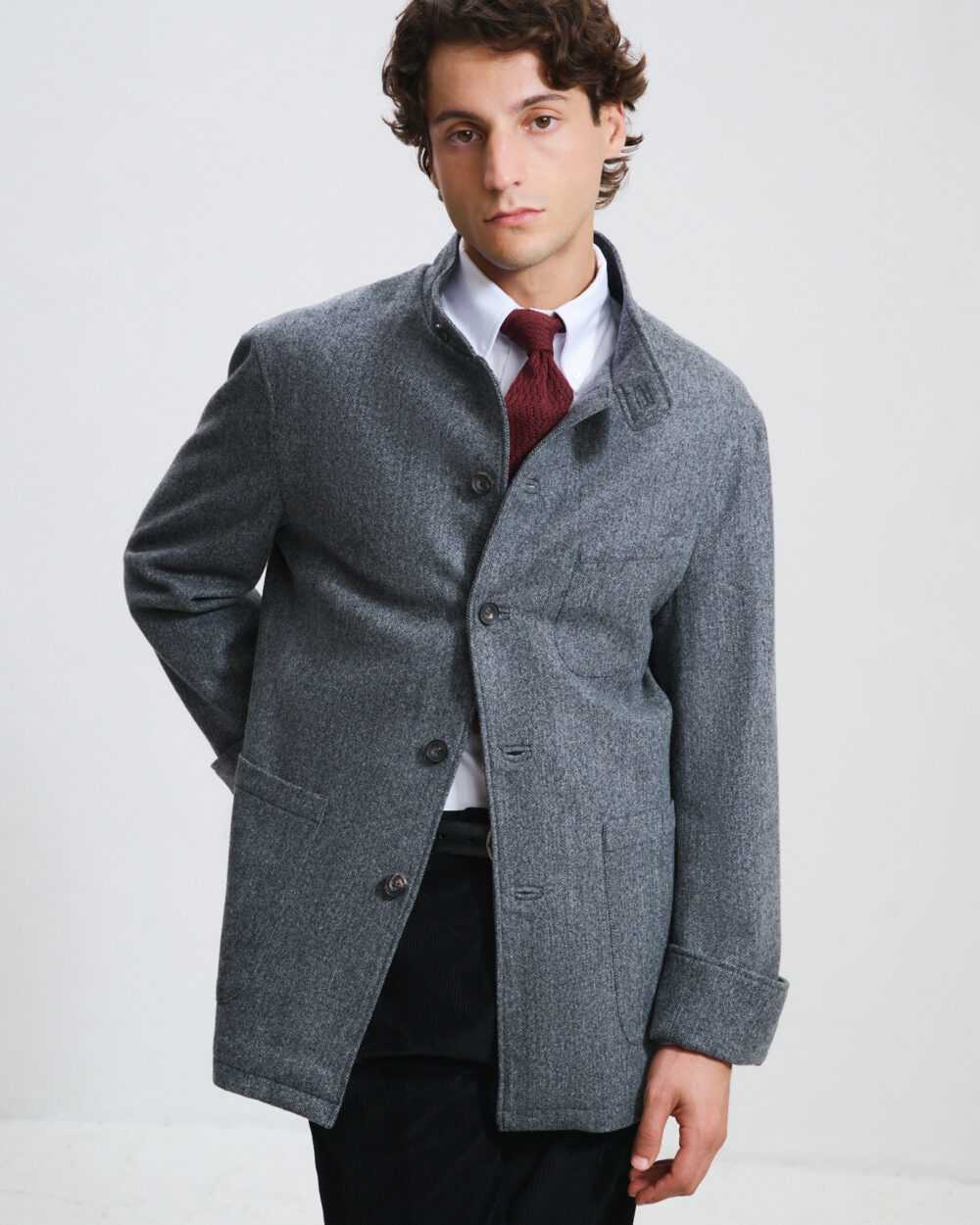 Maubourg Jacket / Herringbone flannel590,00 €
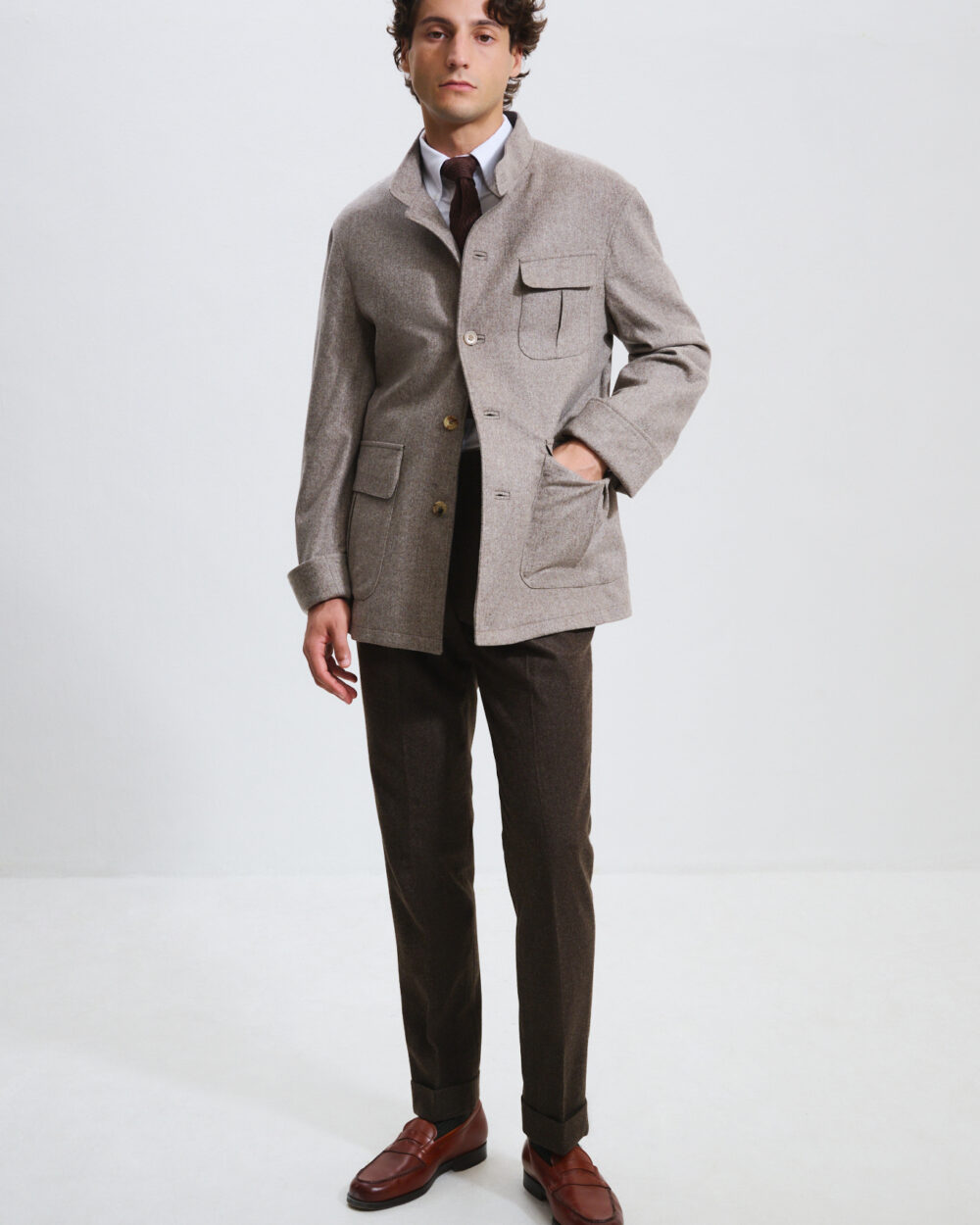 Maubourg jacket with flaps / Herringbone flannel610,00 €
A Raglan Coat in Wool and Alpaca
Finally, we have taken this collaboration a step further this year with a new addition to our collection: a raglan coat crafted from a soft blend of wool and alpaca, weighing 540 g/m².
Here, we move into different territory. This is no longer a flannel intended for trousers, but a substantial cloth designed for outerwear. The weight is greater, the fabric has more body, and the alpaca lends it a particularly pleasant softness and texture.
The choice of a raglan cut was no coincidence either. With sleeves extending all the way to the neckline, a raglan coat has a softer shoulder than a traditional coat with set-in sleeves. This construction provides greater freedom of movement and makes it easy to wear over a jacket or heavy knitwear. It is a cut with a long history in the menswear wardrobe.
It possesses a certain nonchalant elegance. Combined with this beautiful wool-and-alpaca cloth, it creates a warm and comfortable garment that will, I hope, see its wearer through many winters.
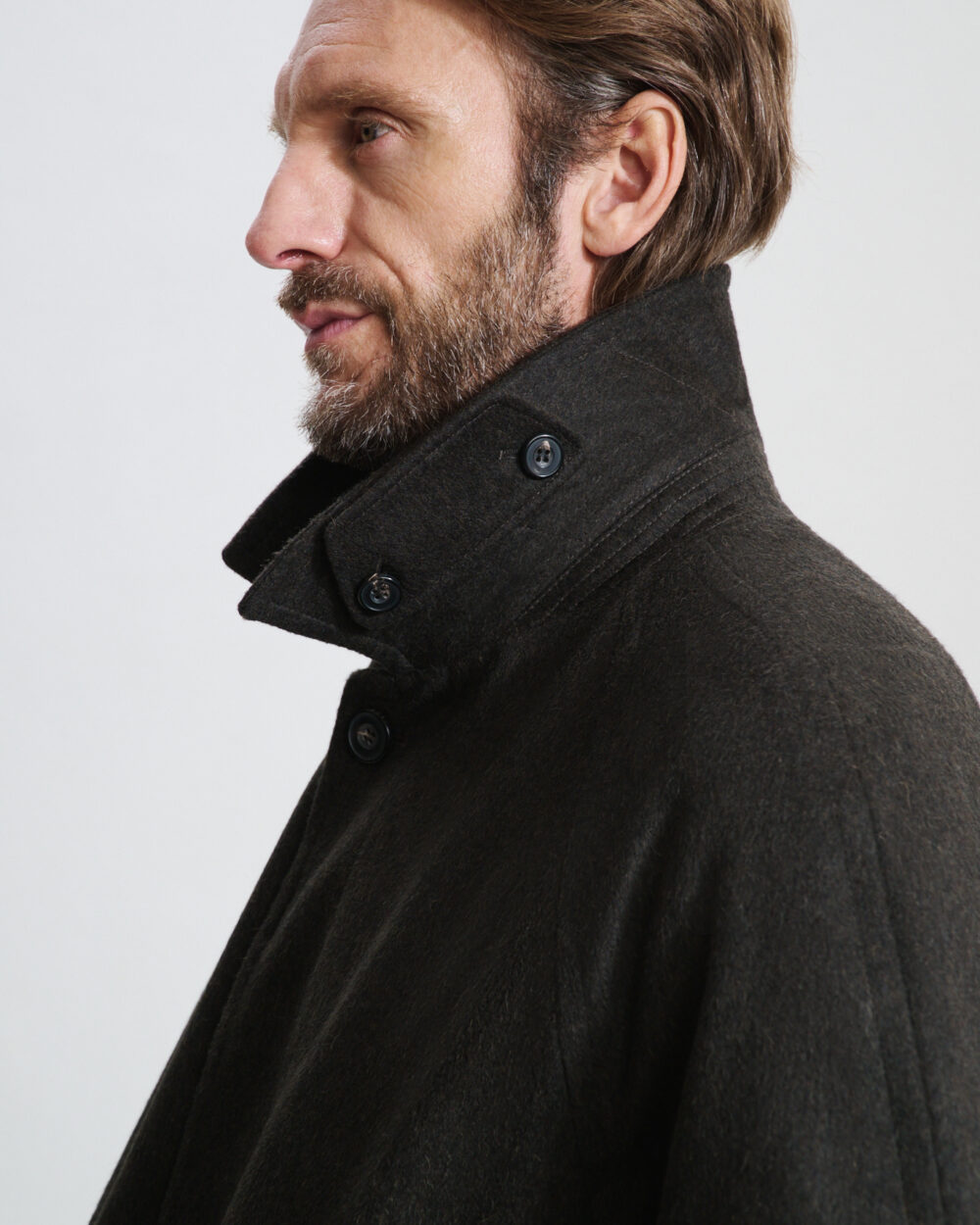 Raglan Coat / Wool & Alpaca Cloth890,00 €
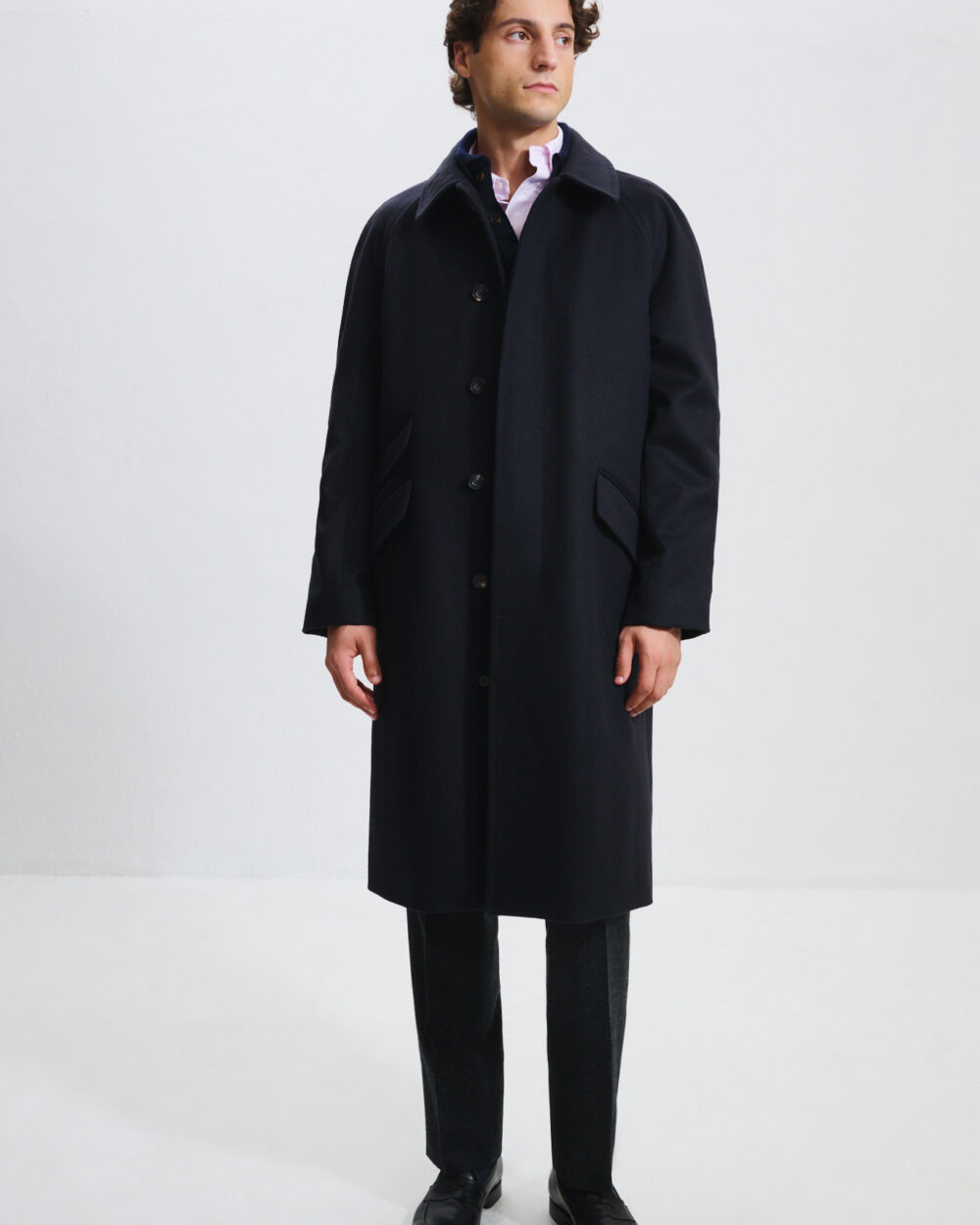 Raglan Coat / Wool & Alpaca Cloth890,00 €
The Pleasure of Fine Fabrics
When discussing menswear, we often talk about cuts, proportions and details. Quite naturally so. But we should not forget that the cloth is where everything begins.
A beautiful cut made from a poor fabric will never produce a truly fine garment.
Conversely, a carefully chosen material—suited to the garment’s purpose and construction—can transform a relatively simple piece into something that is a genuine pleasure to wear.
This is why we place such importance on selecting our suppliers.
Our collaboration with Leichtfried Loden, now continuing for its third season, is part of this approach. It is not about pursuing novelty at any cost, but about returning season after season to fabrics whose qualities we know and which reflect our vision of fine clothing.
Perhaps this is what building a wardrobe ultimately means: choosing beautiful materials, well-balanced cuts and garments that pair naturally with one another.
And when autumn returns, what a pleasure it is to rediscover a fine wool flannel!
Discover our collection of garments made from Leichtfried Loden fabrics at our Paris ready-to-wear boutique and on scavini.fr.
Latest posts
Lookbooks
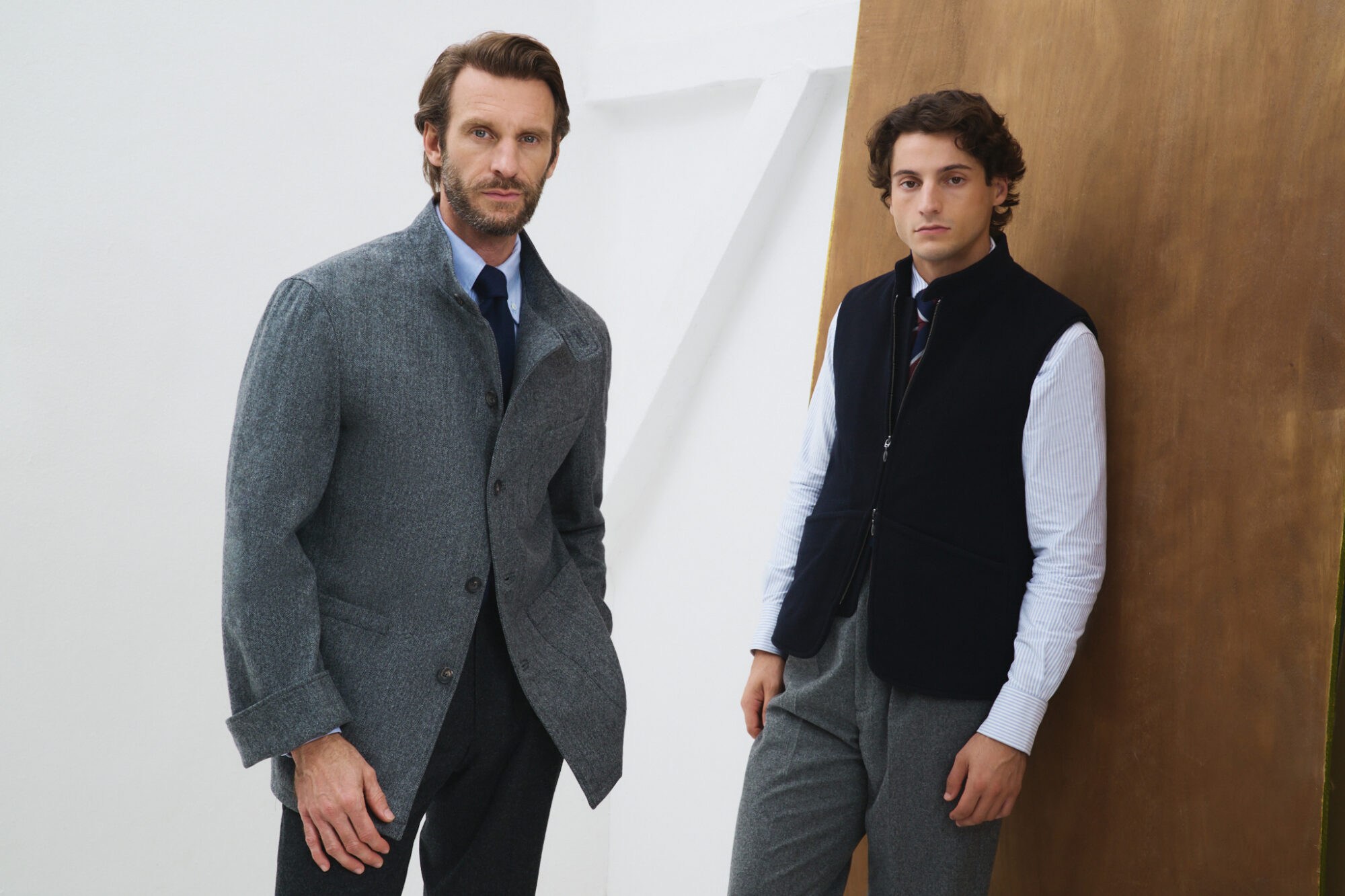
Fall/Winter 2026 Lookbook
Discover our new Autumn-Winter 2026 collection, featuring new designs alongside fresh interpretations of Scavini wardrobe essentials. This season, discover our raglan coats in wool and alpaca, our reimagined Demi-Chasse jacket,…
Read more — Fall/Winter 2026 Lookbook
Culture
The guayabera shirt, doubling as a lightweight safari jacket.
In the 1961 film "Le cave se rebiffe" (The Counterfeiters of Paris), directed by Gilles Grangier, a legendary scene unfolds. At the start of the movie, Bernard Blier—alias Charles Lepicard—presents his scheme…
Read more — The guayabera shirt, doubling as a lightweight safari jacket.
Lookbooks
Lookbook Spring/Summer 2026
This season marks the continued expansion of the Scavini ready-to-wear collection. Our summer aesthetic is built upon the excellence of Belgian linens from Libeco—certified Masters of Linen—whose premium fibers ensure a noble…
Read more — Lookbook Spring/Summer 2026